Top 10 Differences Between Leggings and Yoga Pants?

Time:2026-08-05 Author:Liam
0%

In the world of activewear, a common question arises: what is the difference between leggings and yoga pants? Understanding these distinctions can help consumers make informed choices for their fitness routines. Recent industry reports indicate that the activewear market is projected to reach $567 billion by 2024, showcasing a growing interest in comfortable and functional clothing.

Leggings are often made from stretchy fabric that fits snugly against the skin. They are versatile and can be worn for various activities beyond yoga. In contrast, yoga pants typically feature a looser fit and additional elements like a wider waistband. They are designed specifically for yoga, prioritizing breathability and ease of movement.

Despite the clear differences, there can be confusion among consumers. Brands sometimes label their products inconsistently, blurring the lines between the two categories. This inconsistency highlights the necessity for clear definitions in an ever-expanding market. As trends evolve, the differences may become less obvious, prompting a deeper reflection on personal preferences and activity needs.
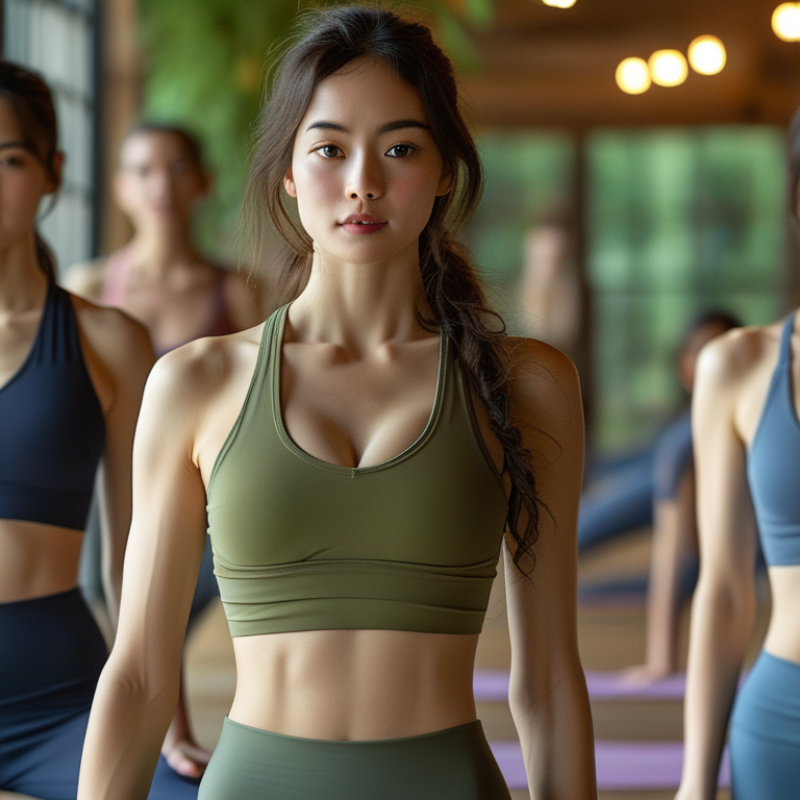
Top 10 Differences Between Leggings and Yoga Pants?

Key Characteristics of Leggings

Leggings and yoga pants serve different purposes, yet both are staples in athletic wear. Understanding the key characteristics of leggings helps clarify their unique benefits. Made from stretchy materials like spandex or polyester, leggings offer a second-skin feel. Their tight fit supports movement, making them ideal for various activities. A recent market report from Statista highlighted that leggings made up over 20% of the athleisure segment, confirming their popularity.

Leggings usually feature a high waistband that provides extra support. Many designs come with moisture-wicking properties, allowing sweat to evaporate quickly. According to a survey by the International Journal of Fashion Design, Technology and Education, comfort was the top reason consumers preferred leggings over other fitted apparel. These factors contribute to their widespread usage for workouts and casual outings alike.

While leggings offer versatility, they may not suit every occasion. Some wearers feel they lack the structure needed for certain sports. Additionally, quality varies widely across manufacturers. Ensuring a good fit is crucial but can be challenging online. Exploring fabric details and user reviews can provide clarity in this quest for the perfect pair.

Top 10 Differences Between Leggings and Yoga Pants

Characteristic Leggings Yoga Pants
Fabric Thickness Usually thinner Often thicker and more supportive
Waistband Style Typically elastic May have a wide, high waistband
Use Case Casual wear and layering Designed for yoga and workouts
Pockets Often do not have pockets Sometimes include pockets
Breathability Less breathable options Better moisture-wicking properties
Stretch Standard stretch More stretchy and flexible
Length Options Full-length, capri, etc. Full-length and cropped
Fit Type Skin-tight fit More relaxed fit
Price Range Usually less expensive Generally more expensive
Durability May wear out faster Tends to be more durable

Key Characteristics of Yoga Pants

Yoga pants have gained immense popularity in the fitness industry. They are designed for comfort and flexibility. According to a market analysis by Grand View Research, the global yoga pants market was valued at approximately $12 billion in 2020. This figure is expected to grow significantly, highlighting the rising interest in yoga and fitness activities.

Key characteristics of yoga pants include their unique fabric blends. Most are made from materials like spandex, nylon, and polyester. These fabrics provide good stretchability and breathability. A recent report from IBISWorld noted that around 62% of consumers prefer yoga pants for their versatility. They can be worn for workouts, casual outings, or lounging at home.

Moreover, yoga pants often feature specific design elements. High waistbands offer extra support and coverage. They typically include flatlock seams to prevent chafing during movement. However, not all yoga pants fit perfectly. Issues with sizing and transparency are common. These challenges can lead to frustration among users. Despite these drawbacks, yoga pants continue to be a staple in many wardrobes. Their blend of style and practicality makes them appealing to a wide audience.

Differences in Material and Fabric Composition

When comparing leggings and yoga pants, their material and fabric composition play a significant role. Leggings are often made from a blend of polyester and spandex. This combination provides a snug fit and elasticity, making them a popular choice for casual wear. On the other hand, yoga pants usually feature cotton or specialized technical fabrics, which prioritize comfort and breathability. Reports indicate that 70% of consumers prefer fabrics that wick away moisture during workouts, making yoga pants a favored option for fitness enthusiasts.

Psychological studies show that softer materials can enhance workout performance. Cotton yoga pants, for example, allow for better skin ventilation, reducing sweat buildup. This leads to improved comfort levels during rigorous exercise, as noted in research from the Journal of Athletic Training. However, some users express frustration with cotton’s tendency to absorb moisture rather than repel it. This can create issues with odor and comfort over time.

Contrast this with the synthetic materials used in leggings, which provide a tighter fit and more compression. While this can enhance blood circulation for some, it may also feel restrictive. Balancing comfort and performance is a common challenge. It’s essential to consider how fabric type impacts both function and our personal preferences when selecting between leggings and yoga pants.

Intended Use and Activity Suitability

When considering leggings and yoga pants, understanding their intended use is key. Leggings are often designed for casual wear or layering. They can be made from various materials, such as cotton or polyester blends. This versatility makes them suitable for many activities, from running errands to lounging at home.

On the other hand, yoga pants are specially crafted for physical activities. They usually offer a stretchier fit and moisture-wicking properties. This design allows for better movement during workouts. Many prefer yoga pants for yoga sessions, Pilates, or high-intensity workouts. However, their snug fit may not be comfortable for everyone. Sometimes, they can feel restrictive during certain stretches or poses.

While both leggings and yoga pants serve different purposes, personal preference plays a significant role. Some may find leggings to provide more comfort, while others appreciate the functionality of yoga pants. Understanding your specific needs will help in making the right choice. Reflecting on how these garments fit into your routine may lead to better decision-making.

Styling and Fashion Considerations

When choosing between leggings and yoga pants, styling plays a crucial role. Leggings are typically tighter and more versatile. They can be paired with oversized sweaters for a casual look or with a fitted top for a chic vibe. The right top and accessories can elevate the entire outfit. Choose bold patterns or colors to make a statement. Stick to solid colors for a more classic, sophisticated appearance.

Yoga pants, on the other hand, often come with a looser fit. They are designed with specific activities in mind. This makes them perfect for workouts but may limit their fashion versatility. Many yoga pants have pockets, adding a functional element to your outfit. However, the style can feel more sporty and less polished. Layering with a stylish jacket or a long tank can help balance this.

Consider your day’s activities when deciding which to wear. Both leggings and yoga pants can be fun and functional, but knowing how to style them makes all the difference. It’s essential to reflect on your wardrobe needs. Isn't it worthwhile to explore how each option fits into your lifestyle?

FAQS

: What materials are commonly used in leggings?

: Leggings are usually made from a blend of polyester and spandex. This combination allows for a snug fit.

What are yoga pants typically made from?

Yoga pants often feature cotton or specialized fabrics. These prioritize comfort and breathability during workouts.

Why are yoga pants preferred by fitness enthusiasts?

Many consumers favor moisture-wicking fabrics. About 70% prefer materials that help keep them dry during exercise.

How do softer materials impact workout performance?

Softer materials enhance ventilation. This reduces sweat buildup, improving comfort during exercise.

What is an issue with cotton yoga pants?

Cotton absorbs moisture instead of repelling it. This can lead to odors and discomfort over time.

In what context are leggings typically used?

Leggings are versatile and suitable for casual wear. They work well for activities like running errands or lounging.

What activities are yoga pants best suited for?

Yoga pants are designed for physical activities. They are ideal for yoga, Pilates, or high-intensity workouts.

Can yoga pants feel restrictive?

Yes, yoga pants may feel tight during certain movements. Some users find them uncomfortable during particular stretches.

Is personal preference important in choosing between leggings and yoga pants?

Yes, personal comfort and functionality varies. Reflecting on your routine can guide your choice.

What challenges arise with fabric selection?

Balancing comfort and performance is challenging. Users must consider how fabric type impacts their activities.

Conclusion

When exploring "what is the difference between leggings and yoga pants," one must consider several key characteristics that define each type of apparel. Leggings are typically form-fitting, made from stretchy materials that provide a sleek silhouette, while yoga pants often feature a wider waistband and variations in fit that allow for greater movement during exercises.

In terms of fabric composition, leggings may use a variety of materials, while yoga pants often incorporate moisture-wicking fabrics ideal for workouts. Moreover, the intended use significantly differs; yoga pants are designed with activities like yoga and pilates in mind, offering extra flexibility, whereas leggings serve a broader fashion purpose as everyday wear. Finally, styling and fashion considerations also play an essential role, as leggings can be paired with various outfits and may feature different lengths and styles, whereas yoga pants prioritize functionality over style.

Liam

Liam

Liam is a dedicated marketing professional with a profound expertise in the industry, where he excels at highlighting the unique advantages of our core products. With a keen understanding of market trends and consumer needs, Liam frequently updates our company’s professional blog, providing......